 Adszoo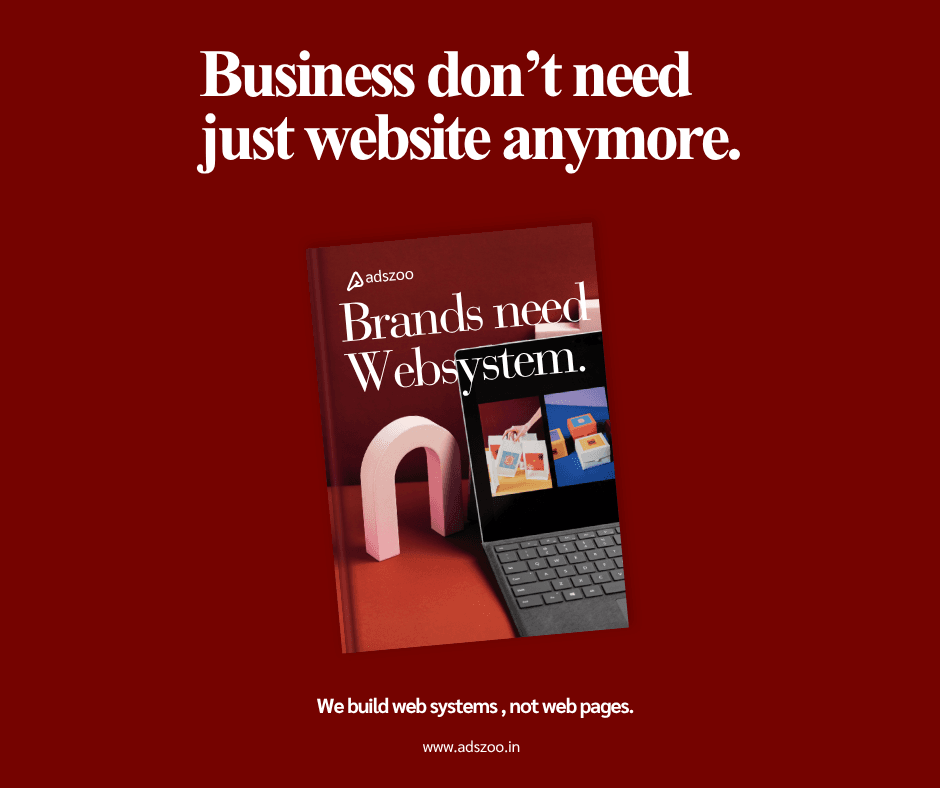
Start with a fact: most “websites” that businesses buy are static brochure pages dressed as digital strategy - they look good but don’t move business metrics. A web system is different: it’s an integrated digital product (data, automations, integrations, user flows, analytics and iterative optimization) designed to generate measurable outcomes - leads, bookings, subscriptions and repeat transactions. Think of a web system as a living platform that replaces manual operations, connects to CRMs, automates outreach and measures revenue impact in real time.
Why this matters in the US market
US buyers increasingly expect speed, personalization and seamless experiences. A web system delivers: dynamic personalization, API-driven integrations (payment gateways, CRMs, analytics), and automated lifecycle marketing - each of these increases conversion and reduces friction from discovery to purchase. Long-form, deep content pages that map to user intent are also proven to rank and attract backlinks when they solve specific client problems - which means web systems that include content hubs become organic lead machines. (See long-form content and backlink studies).
Architecture & SEO advantages of web systems over websites
- Modular content hubs - web systems organize content by topic clusters and pillar pages, which improves topical authority.
- Faster iteration for technical SEO - deploy A/B tests, remove slow elements, and roll out schema changes quickly.
- Data-driven improvements - web systems collect user events and feed them into marketing automations to improve CTR and dwell time (both SEO signals). Industry tests show long, well-structured content and topical clusters perform strongly.
Migration roadmap (practical steps)
- Audit existing site pages and map target URLs to conversion points (lead form, checkout, booking).
- Identify repetitive manual processes to automate (e.g., lead validation, appointment confirmation).
- Build a content hub: 1 pillar page + 8-12 cluster posts (targeted to US search intent). Use structured data and internal linking.
- Implement geo-targeting & hreflang if you plan to serve multiple languages/regions later.
Technical checklist (quick wins)
- Core Web Vitals (mobile-first), server-side rendering for content-rich pages, use CDN, set up robots/sitemap, structured data for products/services, implement hreflang when needed.
- Prioritize content around transactional and high-intent queries (e.g., “enterprise web system development USA”, “appointment system for clinics USA”).
Backlinks & Content promotion (how to get traction fast)
Publish the pillar page, then promote via industry newsletters, targeted PR, and gated whitepapers. Outreach to US SaaS blogs, local business associations, and tech reporters to earn authoritative links - long-form guides attract links more reliably.
Stop Building Websites. Start Building Systems.
Most websites look great but don’t perform.
At Adszoo, we build Web Systems, platforms that automate your marketing, generate leads, and pay for themselves.
Whether you’re in the US, Australia, or the MENA region, our team helps you:
-
Turn your static site into a growth-driven system
-
Automate your lead flow & customer touchpoints
-
Get measurable ROI from every visitor
Ready to transform your website into a revenue system?
Book a Free Strategy Call with Adszoo
or
Write to us: info@adszoo.in
Let’s make your website work harder than your sales team.

More from the Blog
Top 15 Reasons Why Your Business Needs a Website
In today's digital age, having a website is essential for businesses. It increases online visibility...
WhatsApp Marketing Best Practices for 2025
Use WhatsApp the right way to get more replies and sales. Learn consent, templates, and follow-up ti...
How Much to Charge for Social Media Management in 2025
Pricing your social media services fairly can be daunting whether you’ve just started your social me...